
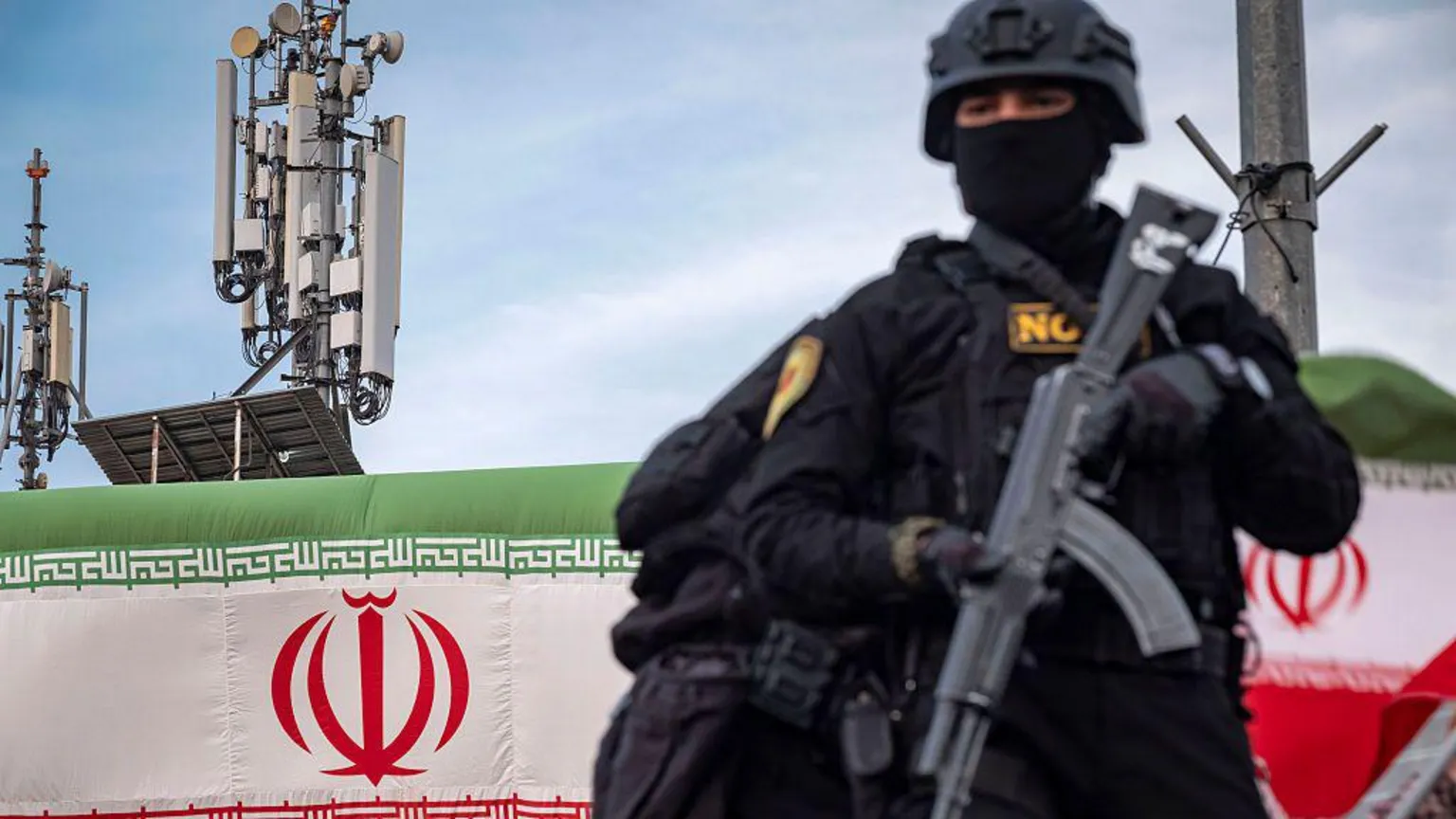
Iran is now 10 days into one of the most severe internet shutdowns ever recorded, with an estimated 92 million people cut off from all online services, alongside widespread disruptions to phone calls and text messaging.
The nationwide blackout began on 8 January, when Iranian authorities abruptly severed internet access in what critics say is an attempt to suppress dissent and block international scrutiny of a sweeping government crackdown on anti-government protesters.
Iran’s Foreign Minister Abbas Araghchi defended the move, claiming the shutdown was necessary to counter what he described as externally orchestrated “terrorist operations.” However, officials have provided no clear timeline for when services will be restored.
Behind the scenes, new reports suggest the government may be preparing to impose permanent restrictions on international internet access. On 15 January, investigative news outlet IranWire reported that government spokesperson Fatemeh Mohajerani told journalists that access to the global internet would not resume until at least late March, coinciding with the Iranian New Year.
Internet freedom monitors at FilterWatch warn that Iranian authorities are rapidly deploying new technical systems and regulatory frameworks designed to further isolate the country from the global web.
“There should be no expectation of a full reopening of international internet access,” FilterWatch said, citing unnamed government sources. “Even if access is partially restored, it will never return to its previous form.”